

Wrong fuel rescue is often linked to misfuelling, but at Wrong Fuel Recovery and Mobile Mechanic, we regularly see another serious issue across Sydney and surrounding suburbs in NSW. Contaminated fuel can enter your vehicle without warning and begin damaging vital components within minutes. Water, sediment, rust, or poor quality fuel can all trigger performance problems that escalate quickly. Acting fast and arranging wrong fuel rescue can prevent expensive repairs and protect your engine from long term harm.
Many drivers do not realise how common fuel contamination can be. After refuelling, a vehicle may begin to hesitate, shake, or stall. Warning lights may appear on the dashboard. In some cases, the engine may shut down completely. These symptoms often develop shortly after visiting a service station, especially during periods of heavy rainfall or after fuel deliveries.
What does contaminated fuel mean for your vehicle?
Contaminated fuel refers to petrol or diesel that contains unwanted substances. These may include water, dirt, rust particles, microbial growth, or incorrect chemical balance. Modern engines are engineered with precision fuel systems that require clean, stable fuel to function correctly.
Even a small amount of contamination can interfere with combustion. Unlike older vehicles, today’s engines use high pressure injection systems and sensitive electronic controls. This design improves performance and efficiency, but it also makes the system less tolerant of impurities.
Water is one of the most damaging contaminants. It reduces lubrication within the fuel pump and prevents proper combustion. Sediment and rust can block injectors and restrict fuel flow. When this happens, the engine struggles to perform as designed.
How does contamination occur at service stations?
Fuel contamination is not limited to poorly maintained locations. It can occur at any station under certain conditions.
Heavy rain and flooding can allow water to enter underground storage tanks. Over time, storage tanks may corrode internally, releasing rust into the fuel supply. When tankers deliver fresh fuel, sediment resting at the bottom of storage tanks can become disturbed and pumped into vehicles.
Drivers usually have no visible warning. The fuel appears normal during refuelling. Only after driving away do problems begin to surface.
If symptoms appear shortly after filling your tank, it is important not to ignore them.
The damage contaminated fuel can cause
Contaminated fuel often creates a chain reaction inside the engine.
Injector blockage
Fuel injectors spray a precise mist into the combustion chamber. Dirt or rust particles can clog the small openings in these injectors. When this happens, fuel delivery becomes uneven.
Drivers may notice rough idling, hesitation during acceleration, or engine misfires. Continued operation can permanently damage injectors, leading to costly replacement.
Fuel pump wear
The fuel pump relies on clean fuel for cooling and lubrication. Water contamination reduces this protection, increasing internal friction. Over time, the pump may overheat or fail completely.
If the pump breaks down, metal fragments can travel through the fuel system, compounding the damage. Early wrong fuel rescue prevents this escalation.
Combustion problems
Improper combustion caused by contaminated fuel may result in power loss or stalling. Unburned fuel can enter the exhaust system, placing stress on the catalytic converter. Replacing this component can be extremely expensive.
Warning signs you should never overlook
After refuelling, watch for these symptoms:
- Difficulty starting
- Jerking while driving
- Sudden drop in power
- Stalling at intersections
- Check engine light activation
- Excessive exhaust smoke
- Strong fuel odour
If one or more of these signs appear, especially soon after filling up, contamination is a strong possibility.
Continuing to drive allows contaminated fuel to circulate through fuel lines, injectors, pumps, and combustion chambers. Each minute increases the risk of permanent damage.
What to do immediately if you suspect contaminated fuel?
If you believe contaminated fuel has entered your vehicle, taking the right steps immediately is crucial to prevent serious engine damage. Acting quickly and correctly can save you time, money, and unnecessary repairs.

Contaminated fuel issues can be resolved safely when handled properly. Staying calm helps you avoid common mistakes such as revving the engine or attempting to “test” the vehicle, which can push contaminants deeper into the fuel system.
As soon as it’s safe, pull over and switch off the engine. Do not restart the vehicle. Keeping the engine off prevents contaminated fuel from circulating through critical components like the fuel injectors, pump, and engine.

Call Wrong Fuel Recovery & Mobile Mechanic at 0422 987 222 or book online for immediate assistance. We are available 24/7, servicing Sydney and surrounding suburbs in NSW, Australia. With our No Start, No Fee policy, you can rest assured that you’ll only pay for professional results.

Our specialists typically arrive within 30 minutes. They will safely drain, flush, and refill your fuel system using specialised equipment, helping to restore your vehicle without causing further damage.
Why does quick action make a difference?
Time plays a critical role in preventing major repairs. When contamination is addressed early, a full fuel drain and system flush may be enough to restore normal performance.
However, if the vehicle continues running for an extended period, corrosion and component wear can develop. Injectors may clog beyond cleaning. Fuel pumps may require replacement. Exhaust components may suffer heat damage from unburned fuel.
Prompt wrong fuel rescue limits exposure. By removing contaminated fuel quickly, we reduce the chance of long term mechanical issues.
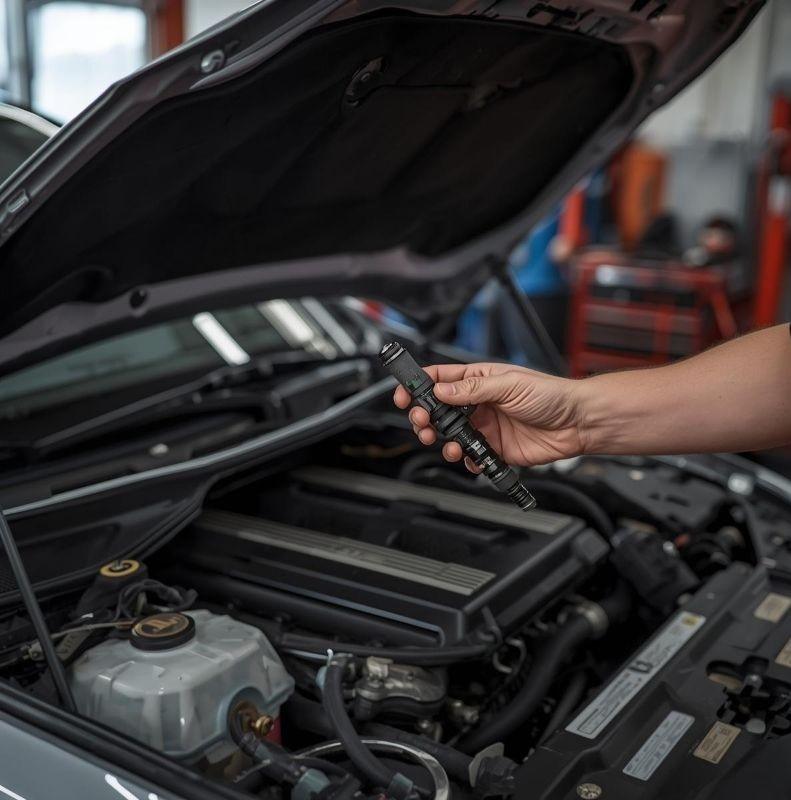
Our wrong fuel rescue process
At Wrong Fuel Recovery and Mobile Mechanic, we follow a thorough and structured approach.
Step 1: Assessment
Technicians assess:
- Type of contamination
- Amount of fuel affected
- Whether the engine was started
- System condition
Step 2: Complete fuel drain
All contaminated fuel is safely extracted from the tank using sealed, high-grade equipment.
Step 3: Fuel system flush
The fuel system is flushed to remove remaining contaminants, water, or debris.
Step 4: Safe disposal
Contaminated fuel is disposed of according to environmental regulations.
Step 5: Refill with clean fuel
Your tank is refilled with clean, correct fuel, and the system is tested for proper operation.
Our mobile technicians bring the necessary equipment to your location, reducing the need for towing in many cases.
Protecting your vehicle in the future
Although contamination cannot always be prevented, there are sensible precautions. Avoid refuelling while a tanker is actively delivering fuel to the station, as sediment may be disturbed. After heavy rainfall, remain alert to unusual vehicle behaviour.
Most importantly, trust your judgement. If your car feels different after refuelling, act immediately.
Wrong fuel rescue is not only about correcting mistakes at the bowser. It is about protecting your engine from hidden threats that can cause serious damage. Contaminated fuel may begin as a minor hesitation, but it can escalate rapidly.
By contacting Wrong Fuel Recovery and Mobile Mechanic at the first sign of trouble, you give your vehicle the best chance of avoiding expensive repairs. Save our number, 0422 987 222, and remember that our wrong fuel rescue team is available 24/7 across Sydney and surrounding suburbs in NSW.
Fast action protects your engine, your safety, and your wallet. Let Wrong Fuel Recovery and Mobile Mechanic help you get back on the road with confidence.
“The sooner contaminated fuel is removed, the more damage you prevent.”
If you suspect contaminated fuel, don’t wait. Call Wrong Fuel Recovery & Mobile Mechanic now.