Drivers across Australia, especially in busy metro areas like Sydney, often confuse bad fuel with misfuelling. While both problems can cause rough running, warning lights, or a car that suddenly won’t start, they are not the same issue, and the correct solution for each is very different.
Understanding the difference between bad fuel and misfuelling can save you thousands of dollars in repair costs, help you act faster, and prevent unnecessary engine damage. In many cases, the right response within the first few minutes can mean the difference between a simple mobile fuel drain and a full engine rebuild.
This guide explains:
- What misfuelling really is
- What qualifies as bad or contaminated fuel
- How to spot the warning signs quickly
- Which problem causes more damage
- How professionals fix each issue
- When you need an emergency fuel drain in Sydney
What is misfuelling?
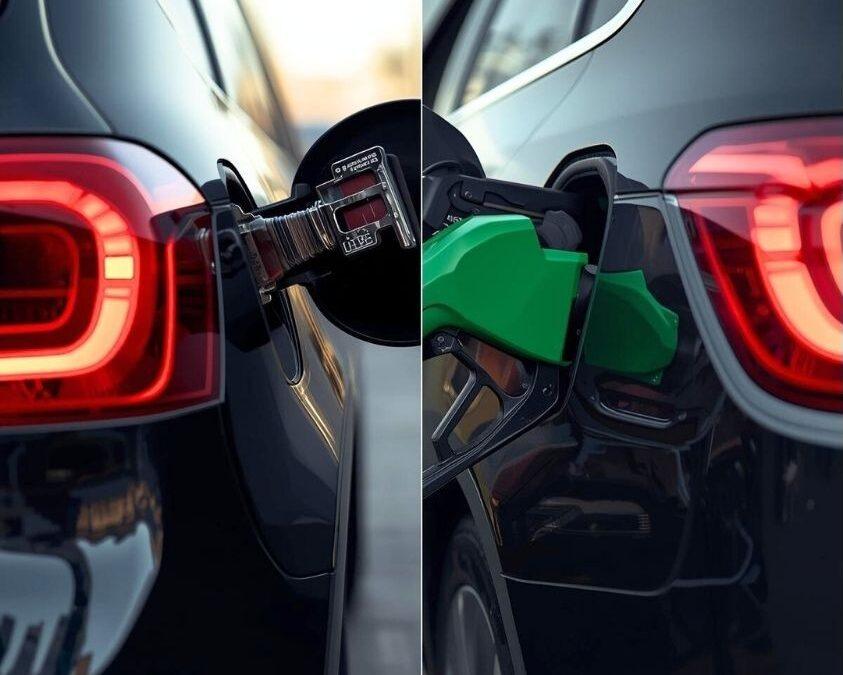
Misfuelling happens when the wrong type of fuel is put into your vehicle, even if only a small amount. This is one of the most common fuel-related breakdowns in Australia and often occurs due to distraction, fatigue, or unfamiliar rental cars.
Common misfuelling examples
- Petrol put into a diesel vehicle
- Diesel put into a petrol vehicle
- E85 added to a car designed for standard unleaded
- Premium diesel used in vehicles that require specific fuel standards
In Sydney, misfuelling often happens at:
- Busy service stations during peak hours
- Late-night refuelling stops
- When switching between vehicles with different fuel types
Why misfuelling is so dangerous?
Modern engines, especially diesel vehicles, are highly sensitive to fuel type. Petrol acts as a solvent and removes lubrication inside diesel fuel systems. Even a small amount can damage:
- High-pressure fuel pumps
- Injectors
- Fuel rails
- Seals and sensors
If the engine is started, damage begins immediately.
What is bad fuel or contaminated fuel?
Bad fuel means the fuel itself is compromised, even though you used the correct pump. This is not caused by driver error and can affect multiple vehicles from the same station.
Common causes of bad fuel
- Water contamination in underground fuel tanks
- Rust, dirt, or sediment entering the fuel supply
- Old or degraded fuel
- Diesel fuel contaminated with bacteria or algae
- Improper fuel storage or maintenance at petrol stations
Bad fuel issues are more common after:
- Heavy rainfall or flooding
- Fuel tanker refills stirring up sediment
- Long periods of fuel storage
How to tell the difference quickly?
Identifying the problem early is critical. Here’s how to distinguish misfuelling vs bad fuel as fast as possible.
Misfuelling warning signs
- You realise the mistake immediately at the pump
- The engine stalls shortly after leaving the station
- Strong or unusual fuel smell
- Engine will not start at all
- Knocking, loud rattling, or smoke
- Warning lights appear almost instantly
Misfuelling symptoms tend to appear immediately or within minutes.
Bad fuel warning signs
- Engine hesitation hours or days after refuelling
- Rough idle or uneven engine performance
- Loss of power
- Difficulty accelerating
- Fuel pump whining or buzzing
- Intermittent stalling
Bad fuel symptoms are often delayed and progressive, which makes them harder to diagnose.
Which one causes more damage?
Both issues are serious, but misfuelling generally causes faster and more severe damage, particularly when petrol is introduced into a diesel system.
Misfuelling damage
- Rapid injector failure
- Fuel pump seizure
- Metal shavings circulating through the system
- Repair costs often exceed $6,000–$12,000 if untreated
Bad fuel damage
- Clogged injectors and filters
- Corrosion in fuel lines
- Sensor and pump strain
- Long-term damage if contamination remains
While bad fuel can still destroy major components, quick action usually limits the damage.
How professionals fix misfuelling vs bad fuel
The repair process differs significantly depending on the issue.
Professional misfuelling repair
A proper misfuelling service includes:
- Complete fuel tank drain
- Fuel line and rail flushing
- Fuel filter cleaning or replacement
- Refilling with correct fuel
- Engine restart and system testing
Time required: 30–45 minutes
Important: Do not start the engine before treatment
Professional bad fuel repair
Bad fuel requires a more thorough process:
- Full tank drain
- Multiple flush cycles
- Fuel filter replacement
- Removal of water, debris, or bacteria
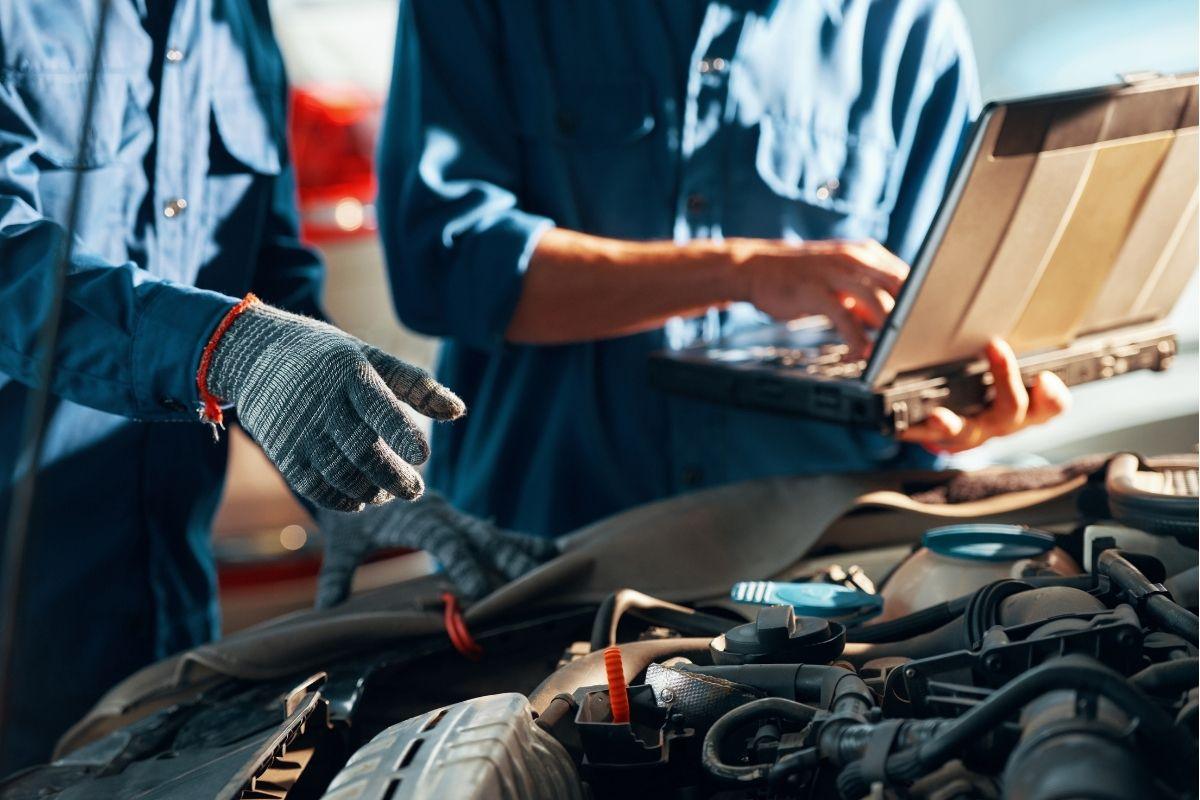
- Diagnostic checks for injector or sensor damage
Time required: 45–90 minutes, depending on contamination level
When you need an emergency fuel drain?
You should request immediate mobile fuel drain service if:
- You misfuelled and have not started the car
- The engine stalls suddenly after refuelling
- Warning lights appear shortly after filling up
- The vehicle will not start following refuelling
In Sydney, fast response is critical due to traffic, towing delays, and repair costs. A mobile fuel drain performed on-site often prevents the need for workshop repairs.
Insurance and fuel-related claims
Misfuelling insurance coverage
- Sometimes covered under comprehensive insurance
- Depends on policy wording
- Often classified as accidental damage
Bad fuel insurance claims
- Easier to claim if contamination is proven
- Fuel station may be liable
- Keep receipts and report immediately
Tip: Always stop driving and document the issue as soon as symptoms appear.
How to prevent misfuelling and bad fuel issues?
Prevent misfuelling
- Slow down when refuelling
- Double-check the pump label
- Avoid distractions
- Install a diesel misfuelling prevention device
Reduce bad fuel risk
- Use reputable service stations
- Avoid refuelling during tanker deliveries
- Keep fuel tank above one-quarter full
- Service fuel filters regularly
Why Sydney drivers choose mobile fuel drain services
Sydney drivers rely on mobile wrong fuel recovery services because:
- No towing required
- Faster response times
- Lower repair costs
- On-site diagnostics
- 24/7 emergency availability
Whether you’re stuck at home, on the roadside, or at a petrol station, mobile fuel drain solutions provide immediate relief.
Act fast and avoid major damage
Bad fuel and misfuelling may look similar on the surface, but the cause, damage, and repair process are very different. Acting quickly before the engine runs or damage spreads, can save you thousands and get you back on the road safely.
If your engine is running rough, you suspect contaminated fuel, or you accidentally put the wrong fuel in your vehicle, do not drive it.
Call Wrong Fuel Recovery & Mobile Mechanic at 0422 987 222 or book online for 24/7 mobile fuel drain and wrong fuel rescue across Sydney. Fast response. No towing. Professional service.