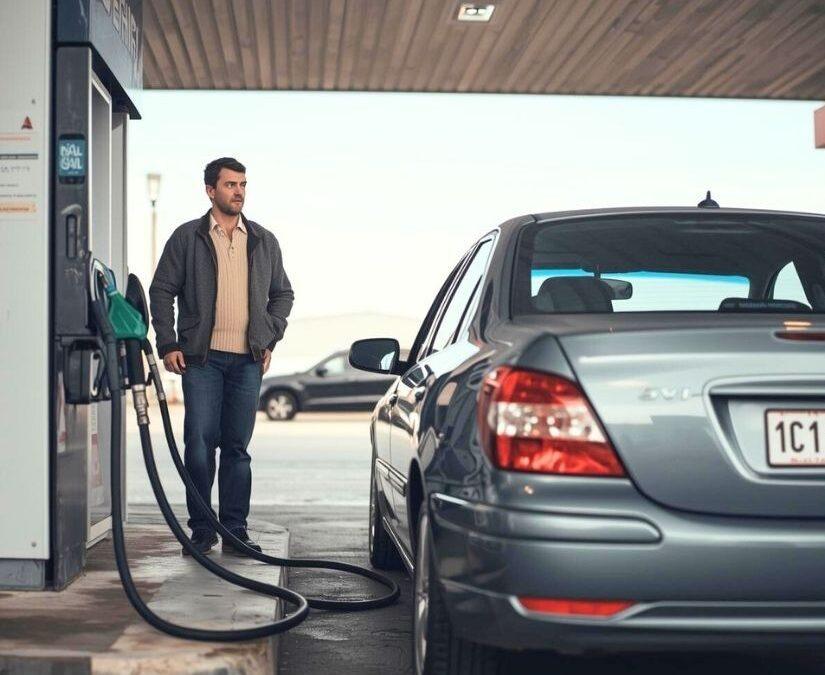
If you believe you’ve pumped bad fuel in NSW, it’s critical to act quickly. Contaminated fuel can cause immediate and long-term damage to your vehicle, even when you’ve selected the correct fuel type. Many drivers only realise something is wrong when their car begins to misfire, stall, or completely fail to start moments after refuelling. Knowing how to report bad fuel, what steps to take immediately, and when to organise professional fuel recovery can protect your engine, your finances, and other drivers on the road.
How to identify bad or contaminated fuel
Fuel contamination doesn’t always look obvious at the pump. Often, the first warning sign appears once the fuel has already entered your system.
What is considered contaminated fuel?
Bad or contaminated fuel may include:
- Water contamination, often caused by leaking underground tanks or heavy rainfall
- Dirt, sediment, or rust from ageing or poorly maintained storage tanks
- Diesel mixed into petrol, typically from delivery or pump cross-contamination
- Petrol mixed into diesel, which is especially harmful to modern diesel engines
- Old or degraded fuel that has chemically broken down
- Incorrect additives or blending errors
Even a small amount of contamination can disrupt combustion and fuel delivery.
Common causes of bad fuel in NSW
Understanding how bad fuel occurs can help drivers recognise risks and respond faster.
Bad fuel in NSW commonly results from:
- Heavy rainfall or flooding, allowing water to seep into underground fuel tanks
- Poorly maintained service station infrastructure, including ageing tanks and pipes
- Fuel tanker delivery errors, where petrol and diesel are accidentally mixed
- Low fuel turnover stations, where fuel sits too long and degrades
- Mechanical pump faults, causing cross-contamination between fuel types
These issues are often outside a driver’s control, which is why reporting contaminated fuel is essential.
Warning signs after refuelling
If any of the following occur shortly after filling up, contaminated fuel is a strong possibility:
- Rough or uneven idling
- Sudden loss of power while driving
- Engine knocking or shaking
- Difficulty accelerating
- Stalling soon after leaving the service station
- Car won’t start after refuelling
- Dashboard warning lights appearing unexpectedly
Do not continue driving, as this allows contaminated fuel to circulate through the system and increases the risk of serious damage.
What to do immediately if you suspect bad fuel in NSW
The first few actions you take can make the difference between a simple fuel drain and a costly repair.
Stop driving as soon as possible
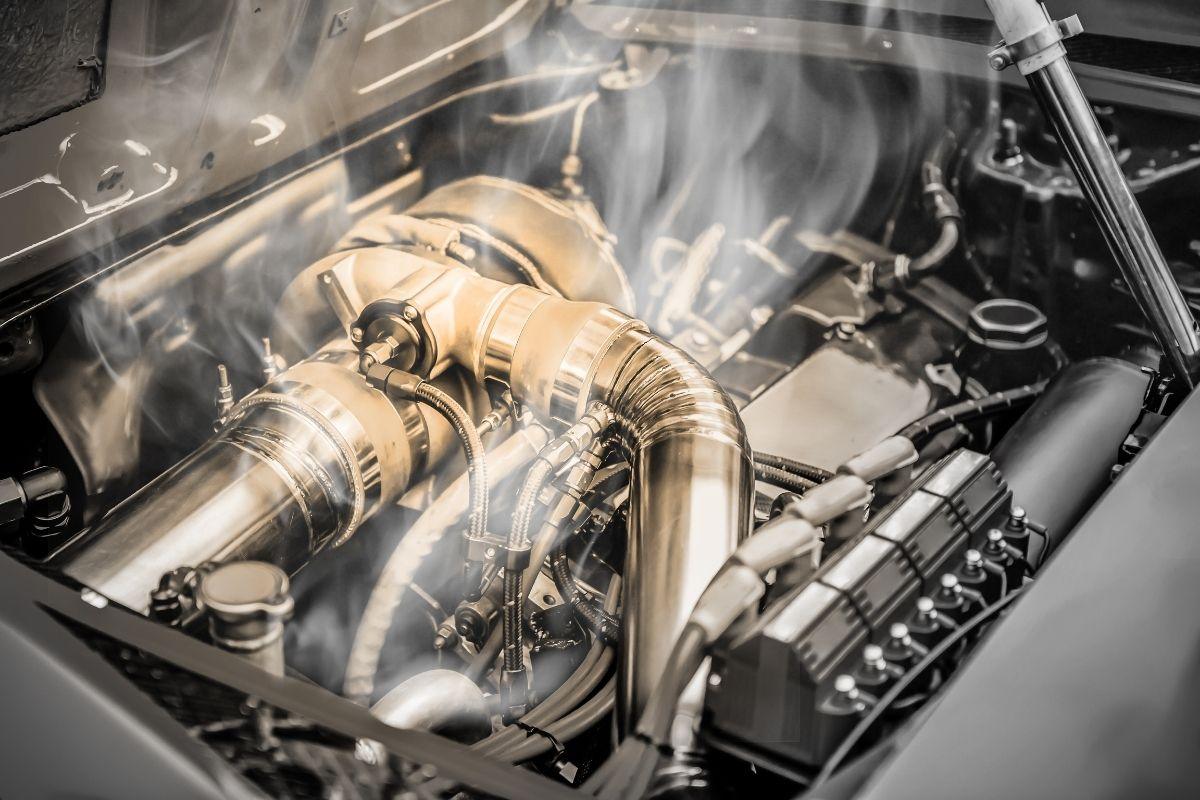
Driving with contaminated fuel allows water, debris, or mixed fuel to pass through:
- Fuel pumps
- Injectors
- Fuel rails and lines
- Engine components
Once these parts are affected, repairs become significantly more expensive. If possible, safely pull over and turn the engine off.
Document the incident thoroughly
Before reporting bad fuel in NSW, gather evidence while details are fresh.
Make sure to:
- Take a clear photo of your fuel receipt
- Note the date, time, and exact location of the service station
- Record the pump number used
- Write down when symptoms first appeared
- Take photos or videos of warning lights or error messages
- Note any conversations with service station staff
This documentation strengthens your case when reporting contaminated fuel.
How bad fuel damages your engine over time
Even if your vehicle initially runs after pumping contaminated fuel, damage can continue internally.
Contaminated fuel may cause:
- Fuel pump wear or seizure due to lack of proper lubrication
- Injector clogging, leading to poor spray patterns and misfires
- Corrosion inside fuel lines from water contamination
- Carbon buildup from incomplete combustion
- Engine management errors, triggering limp mode or shutdown
In diesel vehicles, petrol contamination can destroy injectors and pumps extremely quickly, sometimes within minutes.
How to report bad fuel in NSW step-by-step
Drivers have the right to report contaminated fuel and request investigation when fuel quality is in question.
Contact the service station directly
Notify the service station where you refuelled as soon as possible.
Some stations may:
- Acknowledge a possible fuel issue
- Test their underground storage tanks
- Temporarily shut down affected pumps
- Assist with compensation once contamination is confirmed
Important: Do not allow station staff to drain your vehicle unless they are qualified fuel recovery professionals. Improper handling can worsen damage and complicate claims.
Always request written confirmation of any discussions.
Report contaminated fuel to NSW fair trading
In NSW, NSW Fair Trading handles complaints related to contaminated fuel and consumer protection.
You can report bad fuel via:
- The NSW Fair Trading website
- Their phone hotline
- A Service NSW service centre
Be prepared to submit:
- Fuel receipt
- Photos or videos
- Timeline of events
- Mechanic or fuel recovery assessments
- Invoices related to fuel draining or repairs
If multiple complaints are received, Fair Trading may investigate the station, request fuel testing, or take regulatory action.
Should you contact your insurance provider?
Depending on your policy, insurance may cover:
- Damage caused by contaminated fuel
- Emergency fuel drain services
- Towing (if required)
- Injector or fuel pump repairs
However, insurers may deny claims if the vehicle was driven after symptoms appeared. Always stop driving and document everything before contacting your provider.
Why professional fuel recovery is essential
Fuel contamination cannot be resolved by “driving it out.” In fact, continued driving almost guarantees further damage.
How mobile fuel drain services resolve contaminated fuel
A professional contaminated fuel service will:
- Safely drain the entire fuel tank
- Remove water, debris, or mixed fuel
- Flush fuel lines, pumps, and injectors
- Refill the tank with clean, correct fuel
- Perform safety checks before restarting the engine
DIY fixes or continued driving may void insurance and escalate repair costs.
Why reporting bad fuel matters in NSW
Reporting bad fuel is about more than just your vehicle.
When contaminated fuel goes unreported:
- Dozens of vehicles may be affected
- Service stations may continue selling compromised fuel
- Consumer safety is placed at risk
- Repair costs escalate across the community
By reporting bad fuel in NSW, you help protect:
- Yourself
- Other motorists
- Consumer rights
- Public road safety
Early reporting allows faster intervention and accountability.
How to reduce the risk of bad fuel in the future
While fuel contamination isn’t always preventable, these steps can lower risk:
- Avoid refuelling while fuel tankers are delivering
- Choose reputable, high-traffic service stations
- Keep your fuel tank above ¼ full to reduce condensation
- Stop refuelling if pump flow is slow or inconsistent
- Pay attention to early warning signs after filling up
Even careful drivers can encounter contaminated fuel, which is why knowing how to respond is crucial.
Final reminder for drivers in NSW
Bad fuel incidents can escalate quickly, but fast action significantly reduces risk.
If you suspect contaminated fuel:
- Stop driving immediately
- Document everything
- Report the issue
- Arrange professional fuel recovery
- Avoid restarting the engine until cleared
Act fast if you suspect bad fuel in NSW
If your car behaves abnormally immediately after refuelling, assume bad fuel and act immediately. Promptly reporting bad fuel in NSW, stopping the vehicle, and arranging professional fuel recovery can prevent serious engine damage and protect other drivers from the same issue.
If you believe you’ve pumped contaminated fuel, don’t wait. Call Wrong Fuel Recovery & Mobile Mechanic at 0422 987 222 or book online for immediate mobile fuel drain services across Sydney.
Quick action is the most effective way to minimise damage from contaminated fuel.