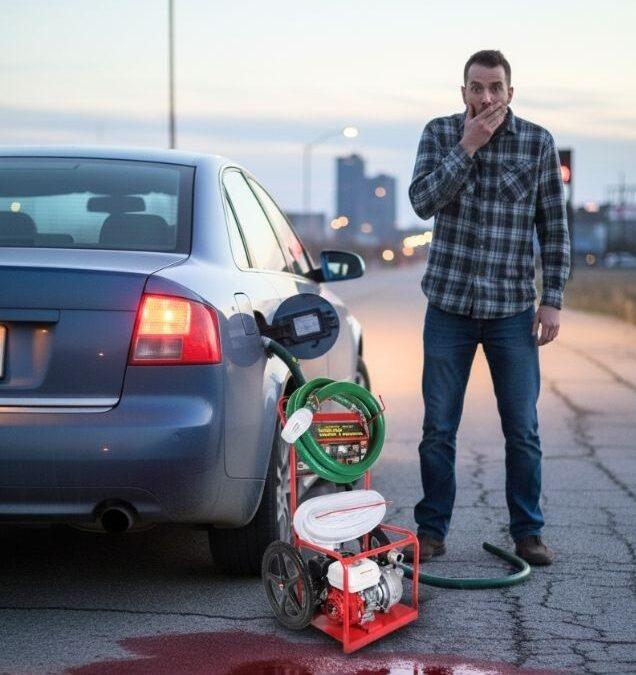
Fuel contamination is a growing problem across Australia and a far more common cause of vehicle breakdowns than many drivers realise. While car trouble is often blamed on mechanical faults, battery issues, or worn parts, contaminated fuel is frequently the hidden culprit behind sudden engine problems, loss of power, and complete roadside breakdowns.
From water in fuel and dirty fuel from petrol stations to misfuelling incidents and degraded fuel, contamination can affect both petrol and diesel vehicles. If not addressed quickly, it can lead to serious engine damage and repair bills running into the thousands.
This guide explains the most common causes of fuel contamination in Australia, the warning signs to watch for, and how professional fuel recovery services fix the problem safely and efficiently—often without the need for towing.
What is fuel contamination?
Fuel contamination occurs when unwanted substances enter your vehicle’s fuel system. These contaminants can include:
- Water
- Dirt or sediment
- Rust or corrosion particles
- Microbial growth (diesel bug)
- The wrong type of fuel
Even small amounts of contamination can disrupt combustion, damage fuel system components, and cause immediate drivability issues.
Fuel contamination affects all vehicle types, including cars, SUVs, utes, vans, trucks, and fleet vehicles, and is especially common in urban areas like Sydney, where high vehicle turnover and extreme weather increase the risk.
1. Water in fuel (the most common issue)
Water in fuel is the number one cause of fuel contamination in Australia.
How water enters fuel systems?
Water can enter fuel at several stages:
- Condensation inside underground fuel station tanks
- Poorly maintained or ageing fuel infrastructure
- Heavy rainfall, flooding, or stormwater intrusion
- Improperly sealed jerry cans
- Vehicles that sit unused for long periods
Because water is heavier than fuel, it settles at the bottom of the tank, where the fuel pump draws from—sending water directly into the engine.
Symptoms of water in fuel
Common warning signs include:
- Hard or delayed starting
- Sudden stalling, especially under load
- Rough idling
- Engine misfires
- Hesitation or jerking while driving
Water does not burn, so even a small amount can interrupt combustion and cause immediate engine trouble.
2. Dirty fuel from petrol stations
While most fuel stations meet strict standards, dirty fuel can still occur, particularly when tanks are old or poorly maintained.
Common contaminants in dirty fuel
Dirty fuel may contain:
- Rust flakes from corroded tanks
- Sediment and debris
- Sludge buildup
- Microbial growth (especially in diesel fuel)
Diesel vehicles are particularly vulnerable to diesel bug, a bacteria that thrives in the presence of water and produces a thick sludge that blocks filters and injectors.
Symptoms of dirty or contaminated fuel
- Loss of power
- Engine surging
- Reduced fuel efficiency
- Blocked fuel filters
- Sudden breakdowns
Dirty fuel often causes progressive damage, worsening the longer the vehicle is driven.
3. Wrong fuel (misfuelling)
Misfuelling is one of the most severe forms of fuel contamination.
Common misfuelling scenarios
- Petrol added to a diesel vehicle
- Diesel added to a petrol vehicle
- E10 or ethanol fuel used in incompatible engines
Even a small amount of the wrong fuel can cause serious damage.
Why misfuelling is so dangerous?
- Petrol removes lubrication from diesel fuel systems
- Diesel blocks petrol injectors and spark ignition
- Fuel pumps and injectors can fail almost immediately
Driving after misfuelling greatly increases the risk of catastrophic engine damage.
A complete fuel drain and system flush is the only safe solution.
4. Old or degraded fuel
Fuel does not last forever. Over time, it breaks down, separates, and loses its ability to combust properly.
Situations where old fuel is common
- Vehicles parked for months
- Seasonal cars or recreational vehicles
- Fuel stored in old containers
- Lawn equipment fuel added to vehicles
Degraded fuel often smells stale and burns poorly, leading to rough running and starting issues.
Symptoms of degraded fuel
- Difficulty starting
- Rough idle
- Poor acceleration
- Increased emissions
5. Fuel tank corrosion
Fuel tank corrosion is more common in older vehicles or those left unused for long periods.
How corrosion develops?
- Moisture buildup inside the tank
- Long-term exposure to water in fuel
- Infrequent driving
Rust particles flake off the inside of the tank and circulate through the fuel system, damaging pumps, filters, and injectors.
How professionals fix contaminated fuel
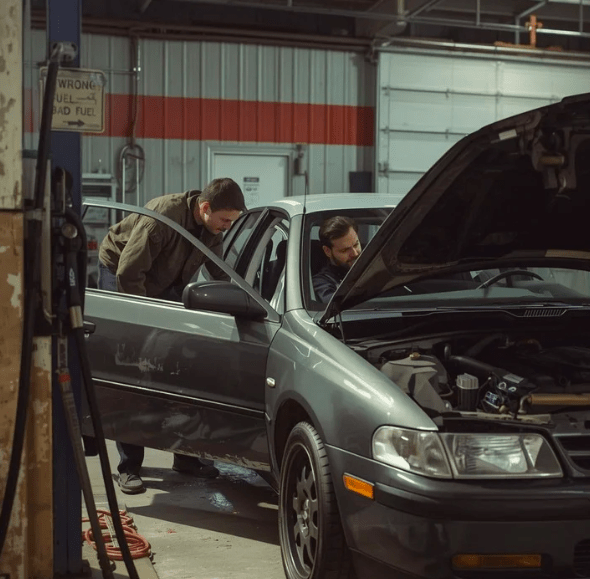
DIY fixes rarely work and often make the problem worse. Professional fuel recovery services use specialised equipment to safely remove contamination without damaging the vehicle.
Professional fuel contamination services include:
- Complete fuel drain
- Fuel tank flushing
- Fuel line and injector cleaning
- Removal of water, dirt, and debris
- Fresh fuel refill
- On-site mobile service (no towing required)
At Wrong Fuel Recovery & Mobile Mechanic, most contaminated fuel jobs are completed in under one hour, saving drivers time and costly repairs.
If your car is showing fuel contamination symptoms, don’t drive any further. Call Wrong Fuel Recovery & Mobile Mechanic at 0422 987 222 or book online. We’re available 24/7 across Sydney, providing fast, on-site contaminated fuel removal to get you safely back on the road.
Why early action matters?
Ignoring fuel contamination can lead to:
- Blocked or damaged injectors
- Fuel pump failure
- Engine misfires and stalling
- Complete vehicle breakdown
- Repair costs in the thousands
Early fuel recovery protects your engine and prevents long-term damage.
Fuel contamination across Sydney and Australia
Fuel contamination incidents are increasingly reported across Sydney, particularly after heavy rainfall, flooding, or poor fuel station maintenance. Urban driving, frequent refuelling, and ageing infrastructure increase the risk for all vehicles, whether petrol or diesel. A fast, professional response is essential to prevent major mechanical damage.
Fuel contamination is a hidden but serious threat to vehicles across Australia. Recognising the signs early, understanding the causes, and acting quickly can save drivers significant time, money, and stress. Whether the issue involves water in fuel, dirty fuel, misfuelling, or degraded fuel, professional intervention helps ensure your engine remains safe and fully operational.
Prompt action is a smart and essential step in protecting your vehicle and avoiding costly repairs.