
When most drivers hear the word misfuelling, they immediately think of putting petrol into a diesel vehicle or diesel into a petrol car. This mistake is common, well documented, and widely discussed. However, there is another fuel-related issue that causes just as much damage and often goes unnoticed until it is too late: contaminated fuel.
Unlike misfuelling, contaminated fuel does not involve choosing the wrong pump. Instead, it occurs when foreign substances mix with otherwise correct fuel. As a result, drivers often assume their vehicle issue is mechanical, electrical, or random. Unfortunately, contaminated fuel can begin damaging an engine within minutes of refuelling.
Even more concerning, fuel contamination can happen at reputable service stations. Water, dirt, rust, sediment, or traces of another fuel can enter underground storage tanks due to poor maintenance, delivery errors, or condensation. Once pumped into your vehicle, those contaminants immediately interfere with combustion and fuel delivery.
Some vehicles show symptoms straight away. Others appear to run normally before suddenly stalling, losing power, or refusing to start. Because of this delay, many drivers continue driving and unknowingly spread contamination throughout the fuel system.
In this guide, we’ll explain exactly what contaminated fuel is, how to recognise the warning signs, and why arranging a professional fuel drain in Sydney as soon as possible can save your engine from serious and expensive damage.
What is contaminated fuel?
Contaminated fuel refers to fuel that contains substances it should never have. These foreign materials disrupt combustion, restrict fuel flow, and damage sensitive engine components.
Even small amounts of contamination can cause major problems, especially in modern vehicles designed for precise fuel delivery.
Common Causes of fuel contamination
Several issues can lead to contaminated fuel, including:
Water in the fuel
Water is one of the most common contaminants. It enters fuel systems through condensation, leaking seals, or poorly maintained service station tanks. Once inside, water prevents proper combustion and promotes corrosion.
Dirt, rust, and debris
Over time, underground storage tanks and vehicle fuel tanks can accumulate rust and sediment. When disturbed, these particles get pumped directly into vehicles and travel through the fuel system.
Incorrect fuel traces
Even trace amounts of petrol in diesel or diesel in petrol can disrupt combustion. Modern engines are especially sensitive to fuel purity.
Petrol and diesel cross-contamination
Faulty pumps, shared storage systems, or delivery mistakes can unintentionally mix fuel types at service stations.
Sludge from ageing tanks
Older or neglected tanks often contain sludge that eventually enters vehicles during refuelling.
Because engines rely on clean, consistent fuel, contamination immediately upsets the balance required for smooth operation.
Signs of contaminated fuel you should never ignore
Contaminated fuel usually causes noticeable symptoms soon after refuelling. Therefore, timing is one of the biggest clues.
If your vehicle behaves differently shortly after filling up, take it seriously.
Common warning signs
- Engine misfiring or stalling
Inconsistent combustion causes jolting, sputtering, or sudden shutdowns. - Rough idling
Excessive shaking or vibration while stopped often signals fuel delivery issues. - Loss of power while driving
The vehicle may hesitate, surge, or feel weak when accelerating. - Difficulty starting or restarting
Severe contamination can prevent ignition entirely. - Unusual exhaust smoke
Incomplete combustion may produce black, white, or bluish smoke. - Poor fuel economy
Contaminated fuel burns inefficiently, forcing the engine to work harder.
If any of these symptoms appear after refuelling, stop driving immediately. Continuing to drive allows contaminants to spread deeper into the fuel system, multiplying repair costs.
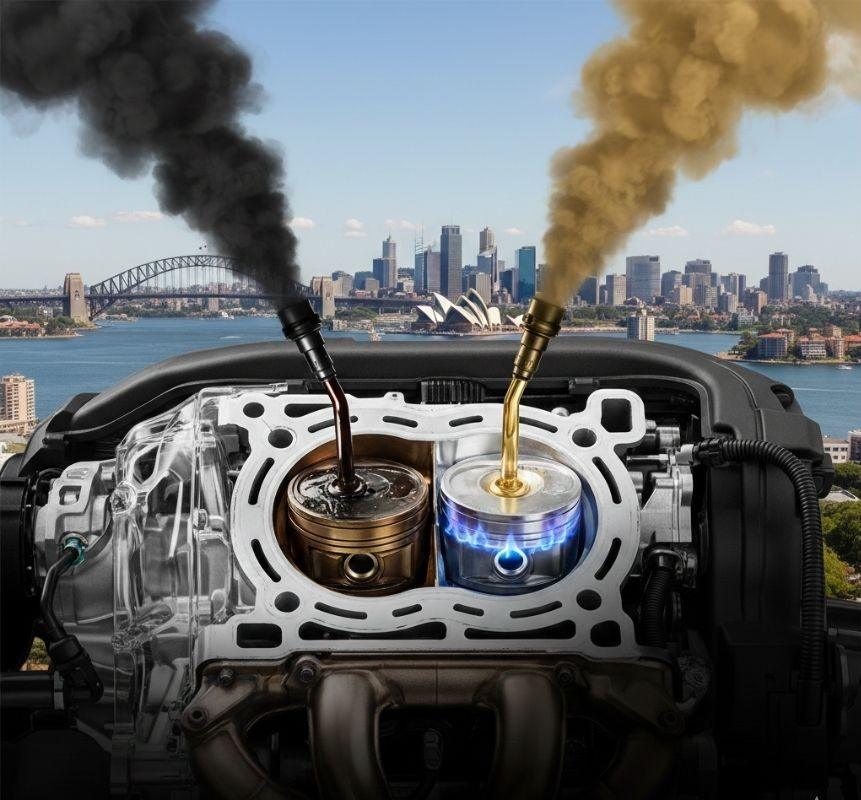
Why is driving with contaminated fuel extremely dangerous?
Clean fuel keeps your engine lubricated, cooled, and running efficiently. Once contamination occurs, multiple components can fail rapidly.
Blocked fuel injectors
Fuel injectors deliver precise amounts of fuel into the engine. Dirt, rust, or water can clog them, preventing proper atomisation. When injectors fail, engine performance drops sharply, and replacement costs can be significant.
Fuel pump failure
Fuel pumps rely on clean fuel for lubrication and cooling. Contaminants increase friction and heat, which causes premature wear or sudden pump failure. In many cases, the vehicle breaks down without warning.
Engine misfires and knocking
Contaminated fuel burns unevenly. As a result, the engine misfires or knocks, placing extreme stress on pistons, valves, and internal components. Left untreated, this damage can become permanent.
Corrosion in fuel lines
Water contamination accelerates corrosion inside fuel lines and tanks. Rust flakes then circulate through the system, worsening contamination and restricting fuel flow.
Complete vehicle breakdown
If contaminated fuel reaches critical components, the vehicle may shut down entirely and refuse to restart. In severe cases, extensive engine repairs or replacement may be required.
How professionals fix contaminated fuel safely
When contamination occurs, professional fuel recovery is the safest and most effective solution. Attempting DIY fixes or additives rarely works and often worsens the damage.
Professional fuel drain process
Full fuel tank drain
All contaminated fuel is safely extracted using specialised equipment.
Fuel system flush
Technicians flush fuel lines, pumps, and injectors to remove water, debris, and residue.
Clean fuel refill
The system is refilled with fresh, correct fuel suitable for your vehicle.
Diagnostic testing
The engine is tested to confirm smooth operation and rule out further issues.
This process prevents additional damage and costs far less than replacing injectors, fuel pumps, or engines.
Why are mobile fuel drain services in Sydney essential?
Driving a contaminated vehicle to a workshop can significantly worsen the damage. For that reason, mobile fuel drain services in Sydney are critical.
Mobile technicians come directly to your location, eliminating the need for towing or risky driving.
Benefits of mobile fuel recovery
- Faster response and same-day assistance
- No towing required
- Lower overall repair costs
- Reduced risk of engine damage
- Convenient on-site service anywhere in Sydney
Whether you are stuck at a petrol station, at home, in a car park, or on the roadside, mobile fuel drain services resolve the problem safely and efficiently.
How to reduce the risk of fuel contamination?
Although not all contamination is preventable, you can lower your risk by following these steps:
- Avoid refuelling during tanker deliveries
- Choose busy, reputable petrol stations
- Keep your fuel tank above one-quarter full
- Pay attention to unusual pump behaviour
- Act immediately if symptoms appear after refuelling
Early action often turns a potential engine disaster into a simple fuel drain.
When to call for emergency fuel drain services?
Call for professional help immediately if:
- Your engine runs rough after refuelling
- The vehicle stalls or loses power
- The car won’t start after filling up
- You suspect water or debris in the fuel
The sooner contaminated fuel is removed, the better the outcome.
Fast fuel drain & recovery in Sydney
If your engine is running rough, has stalled, or you suspect contaminated fuel, don’t risk further damage.
Call Wrong Fuel Recovery & Mobile Mechanic at 0422 987 222 or book online for 24/7 mobile fuel drain and emergency fuel rescue across Sydney.
We provide:
- Rapid response
- On-site service
- No start, no fee guarantee
- Professional fuel system recovery
Protect your engine, avoid costly repairs, and get back on the road safely—anytime, anywhere in Sydney.