
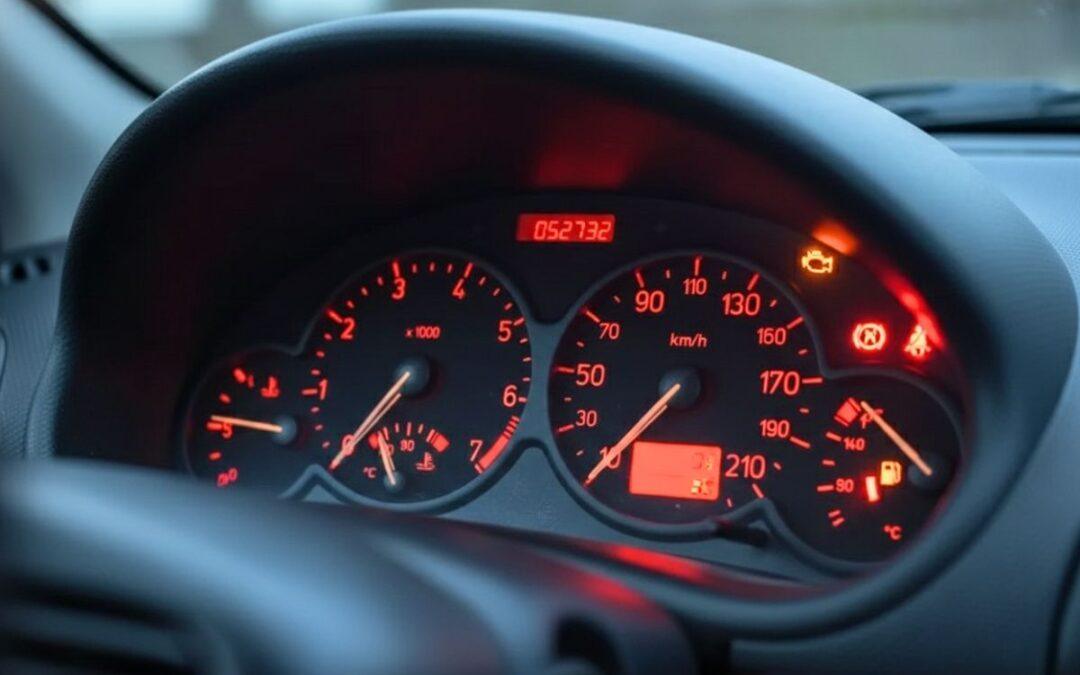
Water in fuel is far more common than many drivers realise. While most people think “bad fuel” only refers to dirt or misfuelling, the most destructive form of contamination is actually water. Just a tiny amount can wreak havoc on modern petrol and diesel engines, causing stalling, misfires, and in severe cases, complete engine failure.
For drivers in Sydney and across Australia, understanding how water enters your fuel system, the warning signs, and what to do immediately can save thousands of dollars in repairs and prevent long-term engine damage.
How water gets into your fuel tank
Water contamination in fuel can happen in several ways, often without the driver even noticing. Common causes include:
- Poorly maintained fuel stations: Underground tanks can develop leaks or condensation, allowing water to mix with petrol or diesel.
- Heavy rain or flooding: Stormwater or floodwater can seep into fuel storage systems or jerry cans, especially during extreme weather events common in some Sydney suburbs.
- Condensation in your fuel tank: Fuel tanks that aren’t regularly topped up can develop condensation, particularly in older vehicles or during cold nights.
- Old or unsealed fuel containers: If you use jerry cans or portable fuel storage that aren’t sealed properly, water can enter and contaminate the fuel.
- Faulty fuel caps: A damaged or poorly fitting fuel cap can allow rainwater or moisture from the air to get inside the tank.
Even trace amounts of water can significantly affect engine performance. Modern fuel systems are particularly sensitive, and contaminants that may have been minor in older vehicles can cause serious issues in today’s high-pressure fuel injectors and pumps.
Symptoms of water contamination
Recognising water in your fuel tank early is critical. Key warning signs include:
- Sudden engine stalling: Your car may cut out unexpectedly while idling or driving.
- Difficulty starting the engine: Water interferes with combustion, making it hard to start your vehicle.
- Jerking or hesitation: Acceleration may feel rough or uneven.
- Rough idle: The engine may vibrate or run inconsistently.
- Warning lights: Your dashboard may illuminate engine warning lights.
- Strong fuel smell: Contaminated fuel can sometimes smell unusual or strong.
Water doesn’t mix with petrol or diesel, so even a small amount can severely disrupt combustion. The earlier you catch it, the less likely it is to damage your injectors, pump, or engine cylinders.
Why water in fuel is so dangerous
Water in your fuel system can cause extensive damage if left untreated. Some of the key risks include:
- Corrosion in injectors: Water promotes rust and corrosion inside injectors, leading to poor spray patterns and inefficient combustion.
- Rust in the fuel tank: Over time, water in the tank corrodes metal surfaces, creating sediment that can clog fuel filters.
- Premature fuel pump failure: Water reduces lubrication in pumps, especially diesel pumps, which rely on fuel for lubrication.
- Loss of lubrication in diesel engines: Diesel engines are particularly vulnerable, as water contamination removes the natural lubrication, increasing wear and tear.
- Bacterial growth (diesel bug): Water in diesel fuel provides an ideal environment for microbial growth, which further contaminates the fuel and clogs injectors.
Left untreated, water in fuel can lead to complete engine failure and repairs costing anywhere from $1,200 to over $6,000, depending on the extent of the damage.
Immediate steps if you suspect water in your fuel
If your vehicle shows any symptoms of fuel contamination, it’s crucial to act fast.
- Do NOT drive: Continuing to drive pushes water deeper into injectors, high-pressure pumps, and engine cylinders, making repairs more expensive and time-consuming.
- Call a professional fuel recovery service: Quick intervention can often save your engine with zero long-term damage.
If you act quickly, most vehicles can be saved with zero long-term damage. Don’t wait for the engine to fail. Call Wrong Fuel Recovery & Mobile Mechanic at 0422 987 222 or book online. We’re available 24/7 for emergency water-in-fuel rescue across Sydney.
How we remove water from fuel
At Wrong Fuel Recovery & Mobile Mechanic, we specialise in fast, safe water-in-fuel removal. Our process includes:
- Complete fuel drain: We remove all contaminated fuel from the tank.
- Tank flush: Any remaining water and debris are flushed out.
- Removal of moisture: Fuel lines and injectors are cleared of water, ensuring no residual contamination.
- Injector and line cleaning: Prevents blockages and restores fuel flow.
- Fresh fuel refill: We refill with clean, high-quality fuel.
Most jobs are completed on-site in under an hour, without the need for towing or extended downtime. This quick response helps minimise damage and keeps your vehicle running safely.
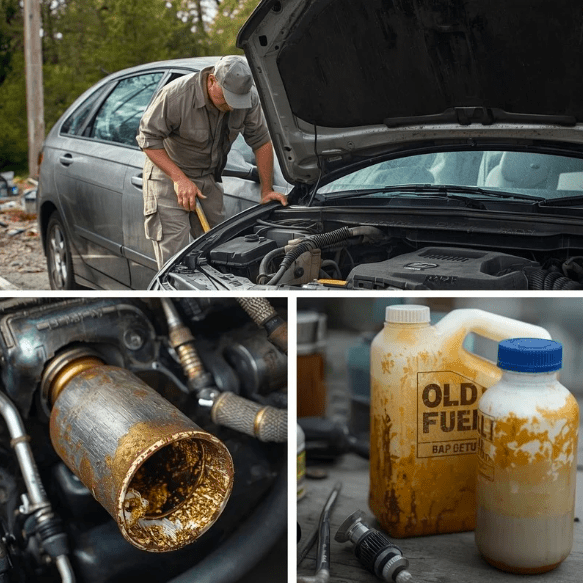
Common sources of water in fuel in Sydney
Water contamination is often overlooked, but certain conditions in Sydney make vehicles more prone to the problem:
- Coastal humidity: High humidity levels can increase condensation in fuel tanks.
- Heavy rain and storms: Flood-prone areas, especially in Western Sydney, can expose underground fuel tanks to water ingress.
- Older fuel infrastructure: Some service stations in suburban areas still use older storage systems that are more susceptible to leaks or condensation.
- Home fuel storage: Using old jerry cans for boats, generators, or lawn equipment can introduce water if they aren’t stored properly.
Understanding these local risks can help drivers prevent water contamination before it starts.
Misfuelling and bad fuel: compounding the problem
Water contamination often occurs alongside other fuel issues. Misfuelling—putting petrol in a diesel vehicle or vice versa—can accelerate engine damage if water is present. Likewise, poor-quality fuel from unmaintained stations or old tanks can already contain dirt, rust, or microbial growth, which compounds the harm.
Modern engines are especially sensitive to these contaminants, which is why professional intervention is critical.
Preventing water contamination
While not all cases can be avoided, proactive measures can reduce your risk:
- Always use reputable fuel stations with regularly maintained underground tanks.
- Avoid topping up from old or unsealed jerry cans.
- Keep your fuel tank at least half full to reduce condensation.
- Ensure fuel caps are sealed properly and check for damage.
- Regularly inspect and service diesel filters and water separators.
Even with precautions, accidents happen. Quick professional recovery is the best safeguard.
Water in fuel is a hidden threat that can silently destroy engines if ignored. Whether it comes from condensation, flooding, or poor fuel quality, acting quickly is essential to prevent costly repairs. Sydney drivers who notice any signs of water contamination should take immediate action and avoid driving the vehicle.
With Wrong Fuel Recovery & Mobile Mechanic, water-in-fuel incidents can be resolved efficiently on-site, often saving the engine from long-term damage. Don’t take chances with contaminated fuel—early intervention is key to keeping your car safe and reliable.
Remember: If you suspect water in your fuel, call 0422 987 222 right away. We’re available 24/7 across Sydney for emergency fuel recovery.