

If you’ve accidentally put the wrong fuel in Australia, you’re not alone. Misfuelling happens to thousands of drivers every year, often due to distraction, unfamiliar vehicles, or poorly labelled pumps. One of the first questions drivers ask is: does insurance cover wrong fuel? Unfortunately, the answer isn’t always straightforward. Insurance coverage for misfuelling depends on your policy type, how the incident occurred, and what actions you took immediately afterward.
Understanding how insurers assess wrong fuel claims, what is and isn’t covered, and how to protect yourself financially can make a major difference in the outcome.
What is considered wrong fuel or misfuelling?
Misfuelling occurs when a vehicle is filled with a fuel type it was not designed to use. This can also include fuel contamination under certain circumstances.
Common wrong fuel scenarios in australia
Wrong fuel incidents typically include:
- Putting petrol in a diesel vehicle
- Putting diesel in a petrol vehicle
- Mixing fuels unintentionally
- Starting the engine after misfuelling
- Fuel contamination caused by a service station issue
Even a small amount of the wrong fuel can cause significant damage, particularly in modern diesel vehicles with high-pressure fuel systems.
Does car insurance cover wrong fuel in australia?
Insurance coverage for misfuelling depends largely on the type of policy you hold and the extent of the damage.
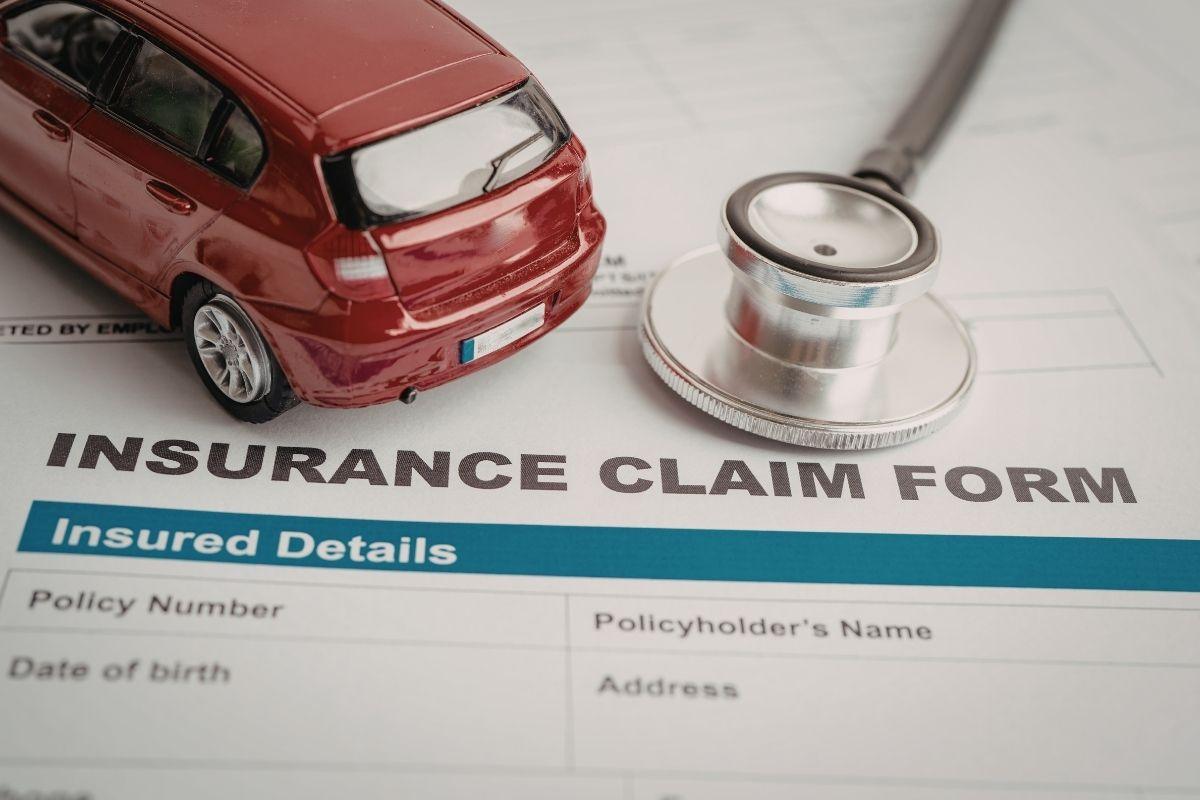
Comprehensive insurance and wrong fuel claims
Comprehensive insurance offers the highest chance of partial coverage, but it is not guaranteed.
When comprehensive insurance may cover misfuelling
Some comprehensive policies may cover wrong fuel only if:
- The engine was started after misfuelling
- Measurable mechanical damage occurred
- Repairs require professional assessment
- The policy includes “accidental damage”
- Damage goes beyond a simple fuel drain
In these cases, insurers may consider the damage accidental rather than preventative.
When comprehensive insurance is usually denied
Most insurers will deny claims if:
- The issue could have been resolved with a fuel drain
- No permanent damage occurred
- The driver noticed the mistake early
- The vehicle was not started
In many cases, insurers classify misfuelling as driver error, which limits coverage.
Third-party insurance and wrong fuel
Third-party insurance does not cover wrong fuel under any circumstances.
These policies are designed to cover damage you cause to others, not damage to your own vehicle. Any costs related to misfuelling, fuel draining, or engine repair are the driver’s responsibility.
Roadside assistance and misfuelling
Roadside assistance is often misunderstood in wrong fuel situations.
What roadside assistance may cover
Some providers may offer:
- Towing to a workshop
- Basic roadside support
What roadside assistance does not cover
Most roadside plans do not include:
- Fuel drain services
- On-site wrong fuel recovery
- Fuel system flushing
- Contaminated fuel removal
Relying on towing instead of mobile fuel recovery can increase costs and delay resolution.
Fuel station contamination and insurance
If the issue was caused by contaminated fuel from the service station, the situation changes.
When bad fuel is supplied by the station
If fuel contamination originated from the station’s tank:
- The service station may be liable
- NSW Fair Trading may investigate
- Compensation may be available
- Insurance may assist under comprehensive cover
Documentation is critical in these cases, including receipts, timelines, and professional reports.
What insurance typically does not cover
Regardless of policy type, insurers generally do not cover:
- Fuel drain services
- On-site wrong fuel recovery
- Mobile fuel drain callouts
- Fuel system flushing
- Refuelling costs
- Preventative maintenance
These services are usually classified as mitigation, not repair.
When insurance might approve a wrong fuel claim
Insurance providers may consider approving a claim when:
- The wrong fuel caused severe internal damage
- Key components require replacement
- The damage could not be prevented
- The driver stopped driving immediately
- The incident was professionally documented
In these cases, insurers may cover part of the mechanical repairs—but rarely the fuel drain itself.
Why starting the engine matters to insurers
Whether or not the engine was started is one of the most important factors insurers consider.
Engine not started
- Usually no coverage
- Considered preventable
- Driver expected to arrange fuel drain
Engine started
- Damage may be classified as accidental
- Higher chance of claim consideration
- Repair costs significantly higher
Ironically, the more damage done, the more likely insurance may apply.
How to increase your chances of insurance approval
If you’ve misfuelled and intend to contact your insurer, take these steps immediately.
Stop driving and turn the engine off
Continuing to drive can worsen damage and reduce claim credibility.
Document everything
- Photograph the pump and nozzle
- Keep your fuel receipt
- Note time, location, and pump number
- Record when symptoms appeared
Arrange professional fuel recovery
Calling a professional service provides:
- Safe fuel removal
- System protection
- Written documentation
- Proof of responsible action
Why professional reports matter to insurers
Insurance companies rely heavily on documentation.
A professional fuel recovery report can confirm:
- Type of wrong fuel
- Amount drained
- Whether the engine was started
- Condition of the fuel system
- Steps taken to prevent further damage
This information strengthens your claim and supports your position as a responsible driver.
Long-term risks of ignoring misfuelling
Even if the vehicle appears to run normally, wrong fuel can cause delayed damage.
Potential long-term issues include:
- Fuel pump failure
- Injector corrosion
- Reduced engine lifespan
- Repeated warning lights
- Costly repairs months later
Early professional intervention reduces these risks significantly.
How to avoid misfuelling in the future
While mistakes happen, these steps can reduce risk:
- Double-check the fuel label every time
- Avoid distractions while refuelling
- Use reminder stickers on the fuel cap
- Be cautious when driving rental or new vehicles
- Learn nozzle sizes and colour codes
Even experienced drivers misfuel occasionally, which is why knowing how to respond matters.
Does insurance cover wrong fuel in australia?
So, does insurance cover wrong fuel in Australia? In most cases, no, unless serious engine damage has occurred and you hold comprehensive insurance. Misfuelling is generally classified as driver error, and preventative services like fuel draining are rarely covered.
The smartest response is fast action: stop driving, document everything, and arrange professional fuel recovery immediately. This protects your vehicle, strengthens any insurance claim, and limits long-term damage.
Need emergency fuel rescue or an insurance-ready report? Call Wrong Fuel Recovery & Mobile Mechanic at 0432288262 or book online.
Quick action saves engines, money, and stress.